
Your Comprehensive Guide to Mold Services in Aurora, Illinois
What hail- and UV-resistant choices fit Aurora’s high-altitude conditions
While Aurora, Illinois, isn’t known for high-altitude conditions, it does experience a variety of weather patterns that can affect home maintenance, including hailstorms and intense sunlight during summer months. For homeowners concerned about these factors, selecting the right materials for your roof and exterior can make a significant difference. Impact-resistant shingles, rated Class 4, are a popular choice for protecting against hail damage and are available in various styles to match Aurora’s diverse architectural landscape. Additionally, UV-resistant materials, such as vinyl siding treated with UV inhibitors, can help prevent fading and deterioration, preserving the aesthetic appeal of your home. Considering the age of many homes in Aurora, which range from historic structures to modern builds, it’s wise to choose materials that offer both protection and compatibility with your home’s existing design.
How do capillary breaks under slabs help Aurora houses avoid chronic dampness?
In Aurora, where the Fox River and numerous creeks contribute to a relatively high water table, managing moisture is crucial for maintaining a dry and healthy home environment. Capillary breaks under concrete slabs are essential in preventing moisture from wicking up into the foundation, which can lead to chronic dampness and mold growth. These breaks, often made of impermeable materials like polyethylene or rubber membranes, act as a barrier to ground moisture. Given Aurora’s varied climate, which includes humid summers and cold, wet winters, these measures are particularly beneficial. They help protect the integrity of your home’s foundation and interior spaces, reducing the risk of mold and mildew that thrive in damp conditions. Implementing capillary breaks is especially important for older homes in Aurora, which may not have been constructed with modern moisture-prevention techniques.
Why does wrong moisture barrier placement cause interstitial condensation in Aurora walls?
Interstitial condensation occurs when moisture becomes trapped within the layers of a wall, leading to potential mold growth and structural damage. In Aurora, the fluctuating temperatures and humidity levels make proper placement of moisture barriers critical. If placed incorrectly, moisture can seep into the insulation and structural components of a wall, where it can condense when the temperature drops. This is particularly problematic in older buildings, which may not have been built with contemporary moisture management in mind. Properly placed moisture barriers, such as vapor retarders, are essential to manage humidity and prevent condensation. In Aurora’s climate, it’s important to consult with professionals who understand the local weather patterns and construction styles to ensure these barriers are installed correctly to protect your home.
Top Rated Mold Remediation Contractors in Aurora
Based on verified ratings, recent review activity and license standing. How we pick
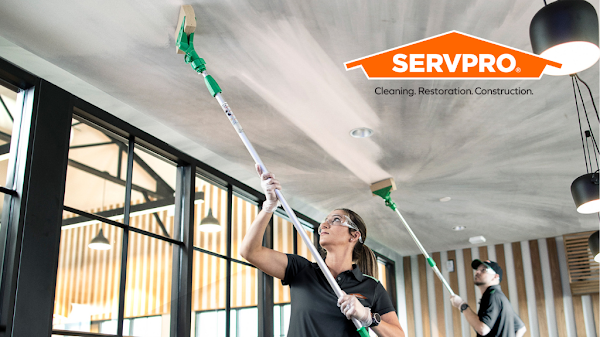 +3 photos
SERVPRO of Aurora
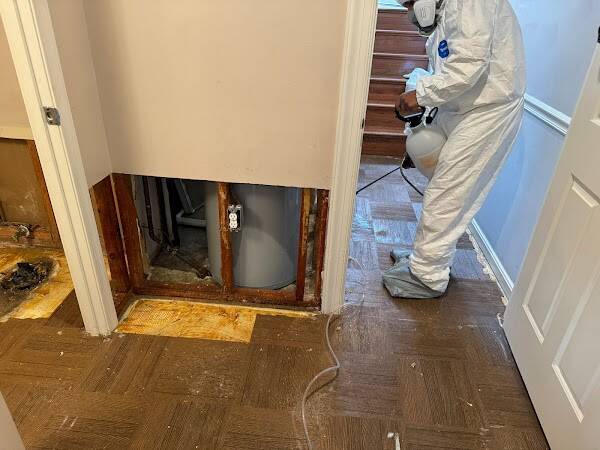
DryCity
Why: Strongest review activity in the last 90 days.
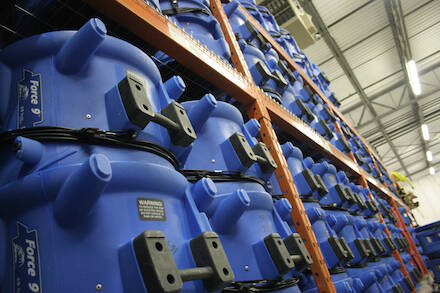
Spectrum Restoration Services
Why: Specialist with a long local track record.
All Mold Remediation contractors in Illinois
Mold Remediation contractors in other Illinois cities
- Belmont Cragin
- Arlington Heights
- Bloomington
- West Town
- Bolingbrook
- West Ridge
- Champaign
- Waukegan
- Chicago
- Springfield
- Cicero
- South Lawndale
- Decatur
- Schaumburg
- Elgin
- Rockford
- Evanston
- Peoria
- Joliet
- Palatine

