
Comprehensive Guide for Homeowners Seeking Mold Services in Chicago, Illinois
What flat-roof drainage and scupper maintenance prevents ponding in Chicago
Chicago’s architectural landscape is dotted with flat-roofed buildings, a common feature among both residential and commercial properties. These roofs, while functional and space-efficient, are prone to ponding water if not maintained properly. Efficient drainage systems, including scuppers, are essential in preventing water accumulation. Regular inspection and cleaning of drainage pathways ensure that water is not trapped on the roof surface, which can lead to leaks and mold growth inside the home. Homeowners should be vigilant, particularly during the spring and fall, when debris from trees can block drains more frequently. Given Chicago’s heavy rainfall and snowmelt, maintaining these systems is crucial to prevent the costly repairs associated with water damage and mold remediation.
How do riverine floods or storm surge spark mold in Chicago
Chicago’s proximity to major water bodies like Lake Michigan and the Des Plaines River makes it susceptible to riverine flooding, especially during heavy rainfalls in spring and summer. These floods can infiltrate basements and lower levels of homes, creating an ideal environment for mold growth if not promptly addressed. Moisture can seep into walls and flooring, remaining undetected until mold becomes visible or produces an odor. Homeowners should consider installing sump pumps and waterproofing their basements as preventive measures. After any flood event, it’s critical to dry and ventilate affected areas immediately to inhibit mold spores from taking hold and proliferating, which can pose serious health risks and require professional abatement.
How does lake-effect snow and freeze–thaw impact coping, parapets, and masonry chimneys in Chicago
Chicago experiences harsh winters with significant lake-effect snow, which can wreak havoc on buildings, particularly those with masonry elements like chimneys and parapets. The freeze-thaw cycle, where water seeps into small cracks, freezes, expands, and then thaws, can cause severe structural damage over time. This cyclical process can lead to gaps and cracks where moisture can penetrate, fostering mold growth within walls and ceilings. Homeowners should regularly inspect and repair any visible damage to these structures before winter sets in. Timely maintenance not only preserves the building’s integrity but also mitigates the risk of mold that thrives in the damp conditions resulting from masonry deterioration.
What plumbing failures commonly start mold problems in Chicago
In Chicago’s aging housing stock, plumbing failures are a frequent culprit behind mold issues. Leaky pipes, particularly in older homes where plumbing systems might not have been updated, can lead to hidden water damage that promotes mold growth. Bathrooms and kitchens are especially vulnerable due to their constant exposure to water. Regular inspections of plumbing fixtures and pipes can help identify potential leaks. Homeowners should also be vigilant about the condition of seals around appliances and faucets. Promptly addressing any signs of water leakage or dampness is essential to prevent mold before it becomes a pervasive and costly problem.
Top Rated Mold Remediation Contractors in Chicago
Based on verified ratings, recent review activity and license standing. How we pick
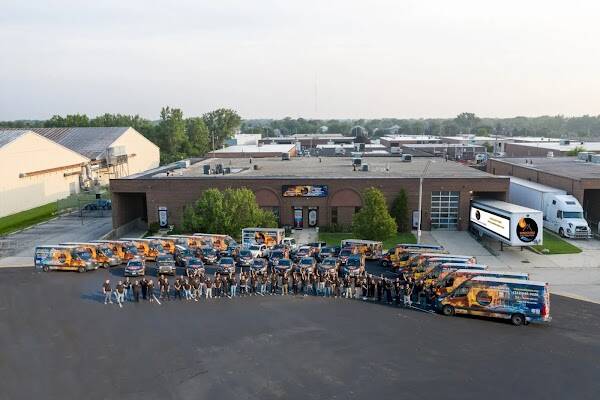 +3 photos
Romexterra Construction Fire and Water Restoration Services of Chicago
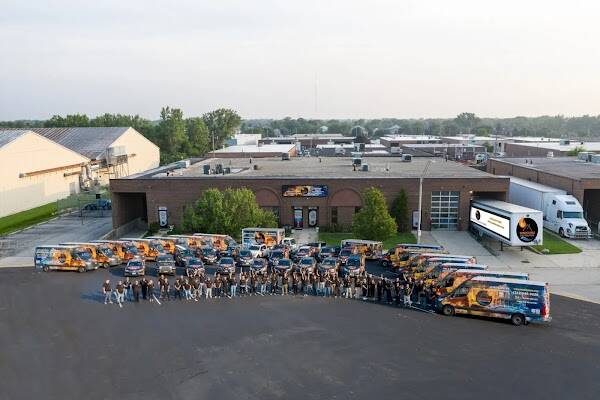
Redefined Restoration – Chicago Water Damage Service
Why: Strongest review activity in the last 90 days, with 252+ reviews.
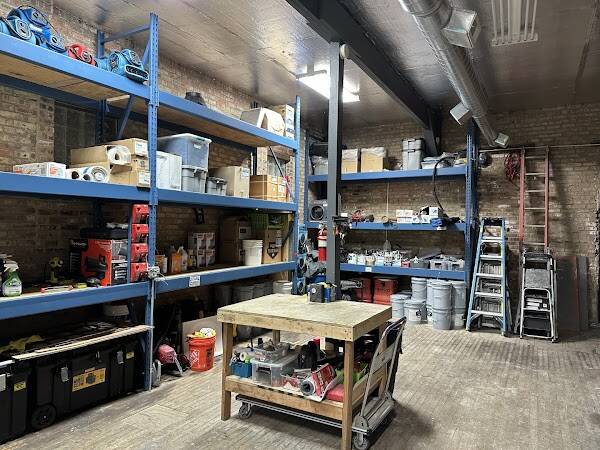
Moldman Chicago
Why: Specialist with a long local track record, with 220+ reviews.
All Mold Remediation contractors in Illinois
Mold Remediation contractors in other Illinois cities
- Cicero
- Champaign
- Decatur
- Bolingbrook
- Elgin
- Bloomington
- Evanston
- Belmont Cragin
- Joliet
- Aurora
- Logan Square
- Arlington Heights
- Naperville
- West Town
- Near North Side
- West Ridge
- North Peoria
- Waukegan
- Palatine
- Springfield

