
Your Guide to Roofing Services in Salt Lake City, Utah
Which high-desert snow and sun practices help Salt Lake City roofing
In Salt Lake City, the high-desert climate presents unique challenges for roofing due to its snowy winters and sunny summers. Homeowners should consider materials that can withstand fluctuating temperatures and intense UV rays. Asphalt shingles, for instance, are popular for their durability and ability to reflect sunlight, reducing heat absorption. Additionally, proper insulation and ventilation are critical to prevent ice dams during winter snowfalls. With Salt Lake City experiencing an average of over 50 inches of snow annually, ensuring that roofs can support this weight is crucial. Metal roofing is another excellent option, offering resilience against heavy snow and effective shedding of water and ice. Engaging local roofing experts who understand these specific climate challenges can help ensure your roof remains in top condition year-round.
What’s the difference between repairing and replacing a roof in Salt Lake City?
Deciding between repairing and replacing a roof in Salt Lake City often depends on the roof’s age, the extent of damage, and local weather impacts. Homes in older neighborhoods, such as those in the Avenues or Sugar House, may have roofs that are over 20 years old, leaning towards the end of their lifespan. In such cases, replacement might be more cost-effective in the long run. However, if damage is localized, such as a few missing shingles from a recent storm, repairs might suffice. Moreover, Salt Lake City’s seismic activity should be considered; a newer roof might offer better protection against potential earthquakes. Consulting with a trusted local roofer can provide clarity on whether a repair or a full replacement is more suitable for your home’s structural integrity.
What are common leak points on Salt Lake City roofs?
Salt Lake City roofs often experience leaks due to specific vulnerabilities created by weather and architectural features. Common leak points include areas around chimneys, skylights, and valleys where two roof planes meet. These areas are prone to water accumulation, especially during heavy snowfalls and rainstorms that the region occasionally faces. Flashing around roof penetrations can deteriorate over time, leading to small gaps where water can seep in. Additionally, gutters overflowing from debris can cause water to back up under the roofing material. Regular inspections, especially after winter, can help homeowners identify and address potential leak points before they become significant issues. Working with local professionals who understand these challenges can ensure that your roof remains watertight.
What’s the right timing for reroofing in short Salt Lake City construction seasons?
Timing is crucial when planning a reroofing project in Salt Lake City due to the relatively short construction season. The best time to reroof is typically late spring through early fall, when weather conditions are stable, and temperatures are conducive to roofing work. During these months, materials like asphalt shingles can properly adhere and seal. However, with unpredictable weather patterns, including sudden rain or early snowfall, flexibility in scheduling is important. Engaging with a local roofing contractor who is familiar with the timing constraints can help in planning effectively. They can also advise on the best materials and practices to ensure your roof is completed efficiently and safely within the optimal timeframe. Proactive planning and timely execution can save homeowners from complications and additional costs associated with off-season roofing work.
Top Rated Roofing Contractors in Salt Lake City
Based on verified ratings, recent review activity and license standing. How we pick
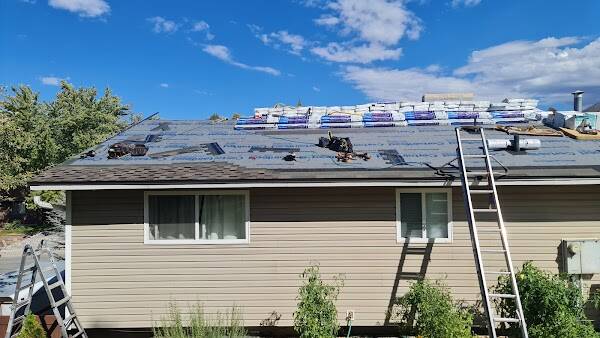 +3 photos
Shingle Pro Roofing
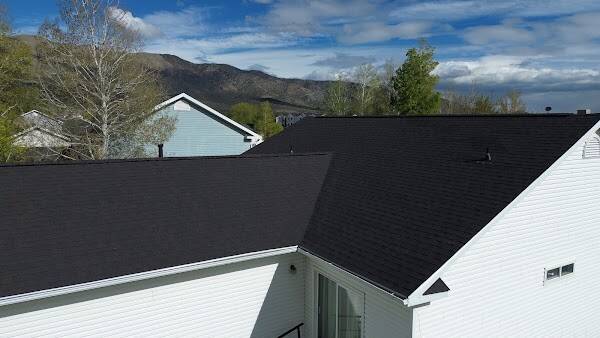
Vault Roofing LLC
Why: Strongest review activity in the last 90 days, with 104+ reviews.
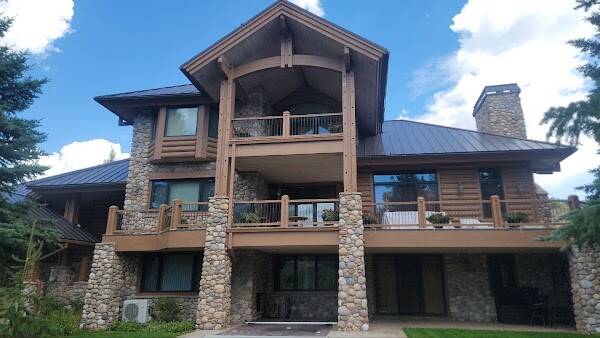
ASAP Roofing & Exteriors
Why: Specialist with a long local track record.
All Roofing contractors in Utah

